Editor’s note: this story is meant to be a companion sidebar to Anthro Magazine’s primary feature on Vote 16 Palo Alto. To read the main story, “Can I vote? Not yet …”, click here.
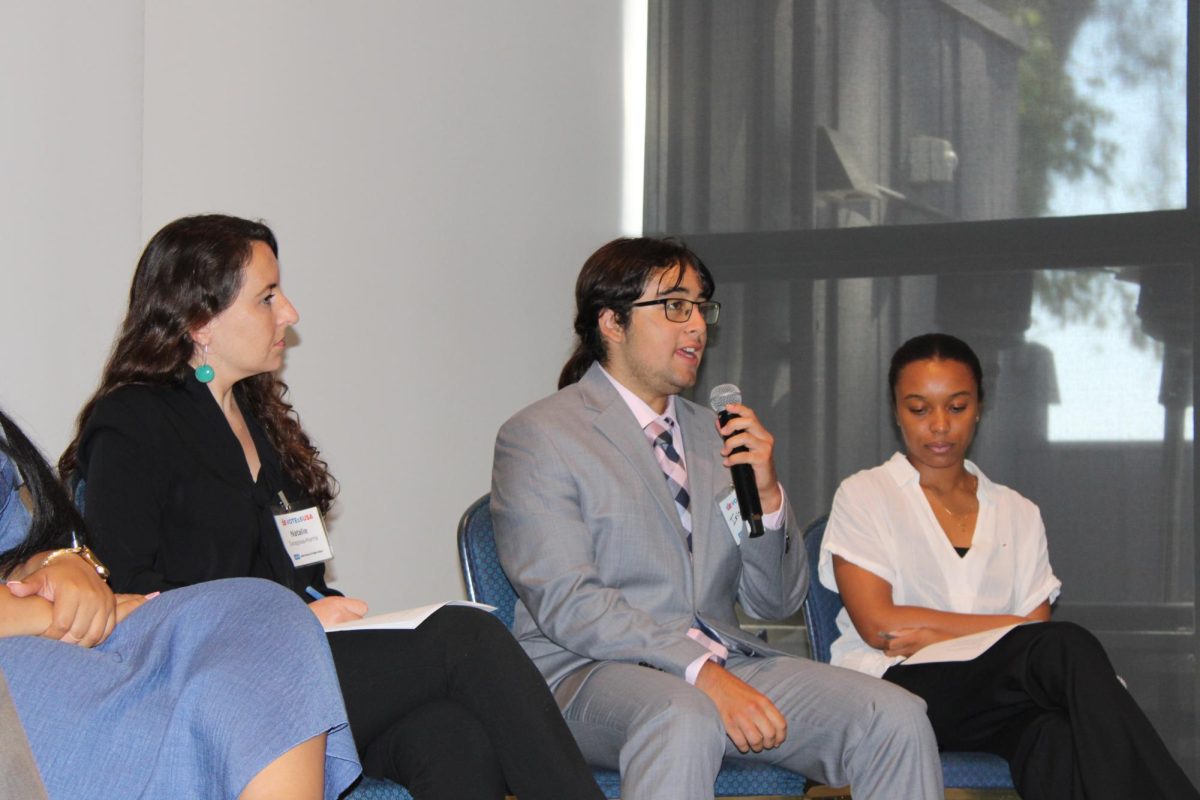
There’s great value in giving 16-years-old the power to vote, according to Palo Alto High School Board representative Dylan Chen.
“Here’s something really simple about politicians,” Chen said. “They may not listen to anything else, but they listen to votes, because votes are the basis and the foundation of any politician’s power, at least in the United States, and when you want to be seen by politicians, when you want your voices to be reflected by politicians, they have to feel your stake in their election.”
A 2021 report by the Emerging Adult Justice Project found that there is more nuance in the biology of decision-making.
The study found that Cold Cognition, the one that takes charge of a person’s planning and abstract reasoning skills, were fully developed at the age of 15.
According to Vote 26 Palo Alto co-founder Rayla Chen, lowering the voting age to 16 would support democracy by building the habit of voting early on, which would increase our country’s voter turnout rate later in life.
“A … specific example is Austria, where voting at 16 has been normalized for so long because it’s ingrained in their system,” Rayla Chen said. “It’s been shown that if you start voting at the age of 16, you’re more likely to become a lifelong
voter, and that’s how in democracies like Austria, their voting, their voter turnout rate is high across the board.”
A report by the International Foundation for Electoral Systems, a highly credible, non-partisan, international non-profit organization, found that Austria has 72.32% voter turnout compared to 54.58% in the U.S.
Rayla Chen said that the team at Vote 16 Palo Alto has received support from the community and other Vote16USA chapters, such as Vote 16 Albany and Vote 16 Maryland.
“It’s been really, really enlightening to learn from those campaigns, and we’re just taking the baby steps to learning how to gather signatures, how to table and how to make these connections that will ultimately help us succeed,” Rayla Chen said.
Dylan Chen said if Vote 16 becomes a reality, it will open doors for the student community to leverage their voice.
“Change is never easy,” Dylan Chen said. “Politics is not a chill place where people hang out and discuss issues and be kind, be friendly to each other and find a solution. … Having that vote will at least make the stakeholders who are in charge of making this change more receptive to student voice, and I think that will at least marginally, if not by a large amount, make change easier.”