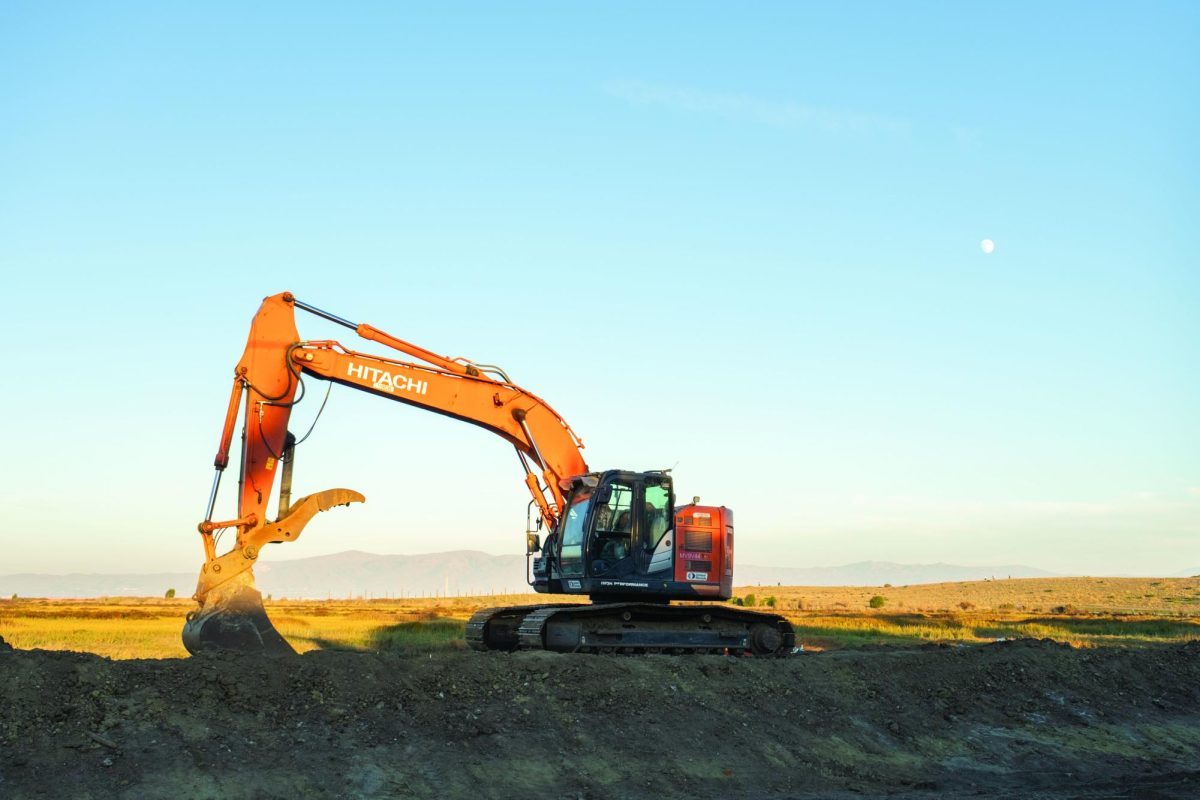
The City of Palo Alto is constructing a new levee system in the Baylands Nature Preserve to improve water quality and increase the habitat’s resilience to sea-level rise.
The horizontal levee, which began in September, is different from a traditional vertical levee, which disrupts animals and the natural environment. According to the city’s website, a horizontal levee allows a natural transition zone that is sloped to mimic nature. It does this by creating a large, gentle slope that reduces wave energy and erosion.
According to a govlink.org review, the downsides of a traditional levee are that many animals and aquatic plants would be heavily impacted by its separation of the floodplain from the river.
“Levees that border the river channel isolate the floodplain from the river and, as a consequence, the many species of aquatic plants and animals that require access to seasonally inundated floodplains to complete their life history are heavily impacted or extirpated,” the report states.
Another advantage of the horizontal levee in the Palo Alto levee is that it allows habitat to still thrive despite human engineering. Unlike traditional levees, horizontal levees allow vegetation and animals to thrive.
The project has already been underway since the spring of 2025 and is projected to be finished in early 2026.
Overall, the project aims to increase biodiversity while still maintaining the natural habitat of the environment here in Palo Alto.
Palo Alto High School Baylands Club president Ryan Leung says that the levee will be beneficial for biodiversity in the reserve.
“It will be a great addition and help to improve native biodiversity,” Leung said. “Since the levee is horizontal, its gentle slope will support many more wildlife species than a traditional vertical levee.”