Global Sumud Flotilla in France

Ports in southern Europe, particularly Marseille, have become key staging grounds for the Global Sumud Flotilla — an international civilian effort aimed at challenging the Israeli naval blockade of Gaza. A flotilla is a fleet of small ships, often used for coordinated political or humanitarian missions.
As of April 2026, more than 70 boats have departed from Barcelona and other Mediterranean ports carrying humanitarian aid and activists, according to Transcend Media Service. The initiative seeks to establish a sustained, nonviolent maritime presence in solidarity with Palestinians.
Spanish and Greek authorities have faced pressure over whether to allow ships to depart, while Israeli officials warned they may intercept vessels attempting to reach Gaza. Meanwhile, European civil society groups have called on the European Union to ensure safe passage and reconsider its agreements with Israel, reflecting divisions within Europe over how to respond.
Animal rights wins in South Korea
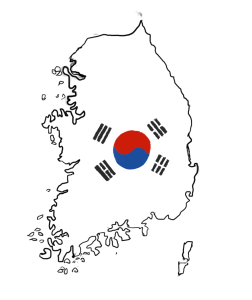
In January, South Korea saw a major victory in animal rights activism with the collapse of the moon bear bile
industry, following years of sustained pressure from both domestic and international groups.
According to World Animal Protection, an Australian based organization that partnered with Green Korea United to end bear bile farming, while a legal ban is an important first step, it does not guarantee the welfare of bears that remain in captivity after sterilization.
“While some of the bears have been relocated to government built or NGO operated sanctuaries, there is a shortage of facilities capable of accommodating the remaining rescued bears due to be given up by farmers,” World Animal Protection stated in a public press release.
“Further measures are still needed to ensure that all remaining bears can live out the rest of their lives safely and with dignity.” The movement is also continuing campaigns against the dog meat industry, signaling a broader cultural and legal shift in how animals are treated nationwide.
“Scientists for Peace” in Iran
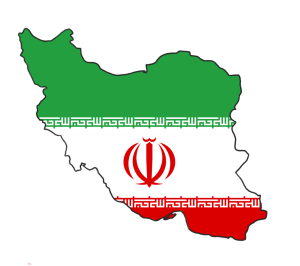
The“Scientists for Peace” movement is gaining traction, advocating for nuclear de-escalation through scientific cooperation. The group is pushing for the surrender or reduction of highly enriched uranium in exchange for access to medical and civilian energy technologies. Their work blends anti-war advocacy with environmental and
scientific concerns.
As major arms control agreements like the New Strategic Arms Reduction Treaty face uncertainty and expiration, these efforts represent a shift towards a kind of activism focused on negotiation rather than protest.
International antifascist conference in Brazil
Hundreds of anti-fascist activists from more than 40 countries gathered in Porto Alegre, Brazil, from March 26 to March 29 for the First International Antifascist Conference.

According to Commitee for the Abolition of Illegitimate Debt, the conference emphasized collaboration across borders, particularly through sharing digital security tools and on-the-ground organizing tactics. Organizers framed this as part of a broader evolution in activism—from isolated protests to sustained international networks capable of operating under increasing political pressure.
The gathering, sometimes referred to as a “New Red International,” highlighted how movements are prioritizing infrastructure, communication, and resilience in response to tightening restrictions in many countries.