Protests break out in Nepal after social media ban
Nepal’s Government reversed its ban on Facebook, Instagram, and more than 20 other social media platforms after protests near the capital left at least 19 people dead and over 400 injured on Sept. 8, according to the New York Times.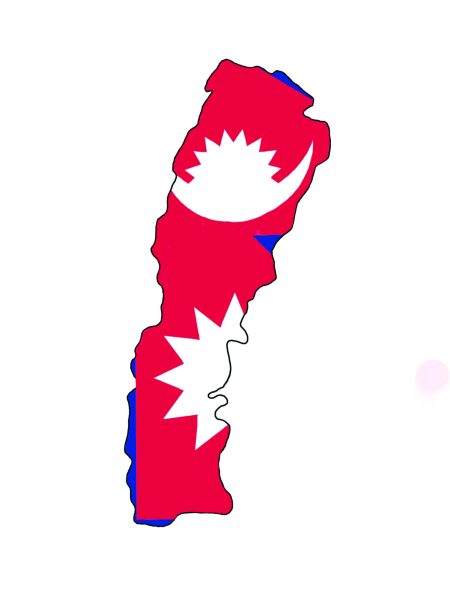
In Nepal, countless migrant workers depend on social media to send money and stay connected with their families back home, making these platforms an essential part of daily life. Mostly teenagers and young adults led the protests, which began in response to the ban but grew as frustrations over corruption and economic inequality intensified. According to the NYTs, during the protests, the police responded using rubber bullets, water cannons, and live ammunition.
The protests then spread to other parts of Nepal, including Janakpur, a city south of the capital. Ultimately, the protest forced the government to lift the social media ban, giving Nepalese the ability to connect with family members abroad.
Sydney’s Pro-Palestinian March
Tens of thousands marched peacefully across the Sydney Harbour Bridge in a pro-Palestinian protest on Aug. 3, according to the BBC. Despite heavy rain, the police estimated that around 90,000 people participated in the March for Humanity, demanding a ceasefire.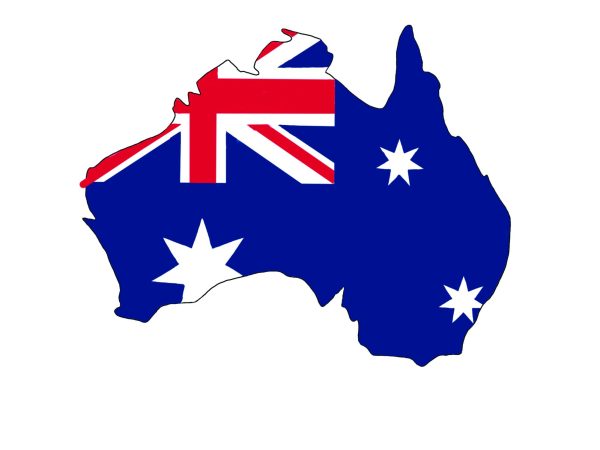
According to the BBC, the protest consisted of numerous families, including many with young children, who came out to support this peaceful demonstration.
The rally was organized by Palestine Action Group, an activist organization committed to supporting freedom and justice in Palestine.
The request for the protest had initially been rejected by the police on the Sunday prior due to safety concerns about traffic, but the New South Wales Supreme Court overruled this decision, allowing the protest to proceed.
Protests and Political Tension in Indonesia
Prabowo Subianto, Indonesia’s President, announced that certain state-funded perks for politicians would be rolled back following mass nationwide protests on Aug. 31. According to the BBC, these protests were sparked by parliamentarians receiving a monthly pay increase of 50 million rupiah (around 3,000 USD), which is almost 10 times the minimum wage in Jakarta.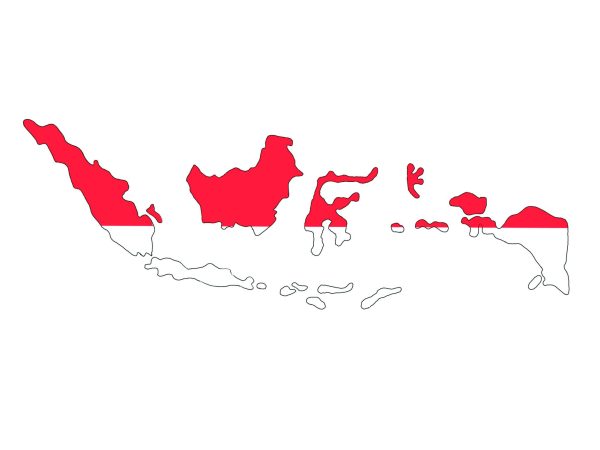
Many of these protests have created heavy conflict between the locals and the authorities. One example of this is when a 21-year-old ride-share driver, Affan Kurniawan, was killed by a police vehicle during a protest near the capital, further fuelling the protesters’ anger.
These protests have been seen as being the first test for Prabowo’s presidency since he obtained this position in October.
France’s Block Everything Protests
France saw sweeping protests under the “Block Everything Movement” when protesters blocked highways, gas stations, train lines, and schools across France on Sept. 10, according to NBC News.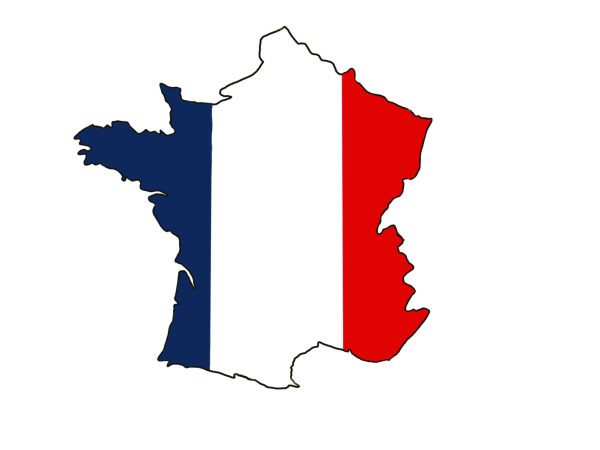
The French Interior Ministry reported that there were over 812 protests nationwide, with around 175,000 protesters participating. The movement started online over the summer by far-right circles due to proposed budget cuts exceeding $50 billion, with healthcare funding among the areas targeted.
This resulted in authorities deploying 80,000 officers, making hundreds of arrests, and using tear gas to disperse crowds, according to NBC News.